How Do I Know if a Tree is Dead or Just Dormant

April 6, 2025

How Do I Know if a Tree is Dead or Just Dormant?

"A mature tree can add up to 10% to your property value," according to the Council of Tree and Landscape Appraisers. But what if that tree in your yard hasn’t budded, dropped its leaves early, or just… looks off?

Is it dead? Or is it simply taking a seasonal nap?

Here’s the challenge: Dead trees can be dangerous—and expensive. They drop limbs without warning, attract pests, and become major liabilities during storms. But cutting down a tree that’s still alive? That’s a costly mistake too.

This guide will show you how to spot the difference. We’ll walk through real signs of life, subtle red flags, and when it’s time to bring in an expert. Don’t guess. Let’s get into the details and protect your property the smart way.

Visual Cues: What to Look For First

Start with the obvious. Walk up to your tree and look closely.

Are the branches brittle? Snap one off. If it breaks clean with a dry, gray interior—like a twig—you may be dealing with a dead branch. But here’s the trick: that doesn't always mean the whole tree is gone. Check several branches on different sides. If they all snap the same way, that’s not a good sign.

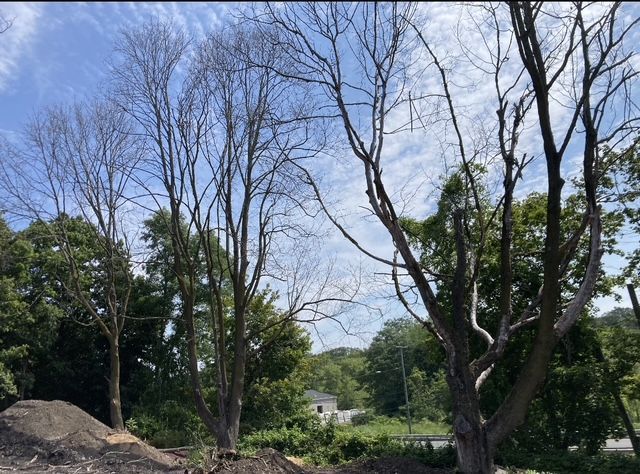
Look for buds. Dormant trees often hold onto tiny buds even in the heart of winter. They're small, firm, and tightly closed. A dead tree? No buds. Just bare twigs and silence.

Scratch Test: Fast and Easy

This one’s quick. Grab your fingernail or a small knife. Pick a thin branch and lightly scratch the bark. What you want to see is green just beneath the surface—that’s the cambium layer. Green means life.

No green? Try a few more spots. Still nothing? The branch (and possibly the tree) may be dead.

Pro tip: Start with the smaller twigs and work your way inward. Sometimes a tree is only partially dead—especially after a harsh winter or drought.

Leaf Behavior: Timing is Everything

Dead trees don’t leaf out. But dormant ones just wait until the time is right.

If it's early spring and your tree hasn’t budded yet, don’t panic. Some species—like oaks and hickories—are naturally slow to wake up. Compare it to other trees of the same type in your neighborhood. Are they showing signs of life? If yours is the only one lagging behind, it's worth taking a closer look.

On the flip side, if a tree drops its leaves too early in the fall—or not at all—it could be in trouble. Leaves clinging through winter often signal disease or death, especially in deciduous species.

Signs That Lean Toward Trouble

Not every symptom is subtle. Some trees practically scream for help:

  • Mushrooms at the base: Fungal growth, especially shelf mushrooms or conks, is a red flag. It usually means internal decay.
  • Peeling or cracked bark: If large sections are falling off and not growing back, that’s a sign the tree isn’t healing—or living.
  • Large dead branches in the crown: This is more than an eyesore. It’s a sign of decline.
  • Leaning or shifting: If the tree is suddenly leaning or roots are lifting, its structural integrity may be compromised. Act fast.

When to Call in the Pros

Still not sure? Don’t go at it alone. Arborists have specialized tools and training to assess tree health with precision.

They’ll check root health, look for internal decay, and even use resistograph tools or sonic tomography for an inside look—without cutting the tree down.

A certified arborist can also help you decide whether the tree is salvageable or if tree removal is needed. Sometimes, a bit of deep watering and pruning can bring a tree back from the brink.

Why It Matters

Leaving a dead tree standing is risky. One strong storm, and it could fall—on your home, car, or worse.

According to the U.S. Forest Service, tree failures cause hundreds of injuries and millions in property damage each year. But misdiagnosing a tree and removing it too early isn’t ideal either—especially when mature trees take decades to replace and significantly boost curb appeal.

That’s why this question—“Is it dead or just dormant?”—matters more than people think.

Takeaways You Can Use Today

Let’s wrap it up with a quick checklist:

  • ✅ Do the scratch test
  • ✅ Inspect for buds, bark condition, and overall shape
  • ✅ Compare timing with similar trees in your area
  • ✅ Watch for fungi, dead limbs, or shifting posture
  • ✅ Call a pro if you're unsure

And remember, a dormant tree is just sleeping. A dead one, however, needs to be dealt with quickly and safely.
Call Us
tree roots
November 4, 2025
Worried about tree roots damaging your driveway or foundation? Fleet Farmington Tree Service in Farmington, CT offers expert root inspections and safe solutions.
dying tree
October 28, 2025
Learn how poor drainage kills trees and causes root rot. Fleet Farmington Tree Service offers drainage solutions and storm prep for healthy trees.
tree down after sorm
October 13, 2025
Learn how to spot storm damage to your trees in Farmington, CT. Fleet Farmington Tree Service shares expert tips to keep your property safe after storms.
hazard tree assessment
September 26, 2025
Protect your property with a free hazard tree assessment in Farmington, CT. Fleet Farmington Tree Service identifies risks before storms cause damage.
September 5, 2025
Learn how changing weather impacts trees in Farmington, CT. Expert tips on care, maintenance, and protecting your property from storm damage.
August 18, 2025
Need emergency tree removal in Farmington CT? Learn who to call and what steps to take when a tree falls on your property. Stay safe and get help fast.
July 14, 2025
Learn how long tree removal takes in Farmington, CT—from quick jobs to complex removals. Get expert insight so you know what to expect before booking.
July 2, 2025
Prep your trees for hurricane season in CT. Learn how to prune, inspect, and prevent storm damage. Protect your property with expert tree care tips.
June 26, 2025
Learn how to spot, manage, and protect your Farmington, CT trees from Spotted Lanternfly damage in 2025. Act early to safeguard your landscape!
June 16, 2025
Meet the Pinchot Sycamore: Farmington Area’s Giant Tree Treasure Some trees are just trees. And then there’s the Pinchot Sycamore —a towering local legend rooted along the Farmington River. At over 100 feet tall and nearly 28 feet in circumference , it isn’t just the largest tree in Connecticut —it’s one of the oldest living things in the state. If you live in or around Farmington , this isn’t a tree to pass by. It’s a tree to learn from. What Makes This Sycamore So Special? Let’s break it down: Estimated to be 200–300 years old Weighs over 100 tons Its canopy spreads more than 140 feet wide This isn’t a backyard shade tree. It's a living monument. Named after Gifford Pinchot , the first chief of the U.S. Forest Service and a pioneer of conservation, the sycamore is both a natural wonder and a historical landmark. It has withstood hurricanes, floods, ice storms—you name it. It’s been lit at night since 1997, making it a quiet beacon in the Simsbury night, just minutes from Farmington. But this article isn’t just about admiration. It’s about tree care , tree knowledge , and what this ancient sycamore can teach homeowners and property managers across Connecticut. What the Pinchot Sycamore Can Teach Us About Tree Health Old trees survive because they’re in the right conditions and get proper care—whether from nature or from humans who step in at the right time. Here are 3 key lessons the Pinchot Sycamore offers: 1. Roots Matter More Than You Think A tree this large doesn’t last for centuries without a solid root system. But in residential neighborhoods, roots are often cut for driveways, patios, or foundations. This slowly destabilizes even healthy trees. Action step: Before pouring new concrete or expanding your yard, have a certified arborist assess root zones. Cutting roots isn't always obvious—but it's often irreversible. 2. Not All Decay Is Fatal—But It Should Be Monitored The Pinchot Sycamore has endured internal rot, lightning strikes, and the natural aging process. Still, it stands tall because any weaknesses have been managed. What we recommend: Older trees—especially large maples, sycamores, and oaks—should be structurally evaluated every 3–5 years . We use resistograph tools and sound testing to detect hidden decay. You wouldn’t skip a roof inspection. Don’t skip a tree check either. 3. Location Dictates Longevity This sycamore is planted in rich, alluvial soil near the river. That means consistent moisture, deep nutrient access, and less drought stress. Trees in compacted suburban soil with shallow watering schedules? They’re fighting an uphill battle. For your yard: Mulch around your trees (no volcano piles!) to retain moisture and protect roots. Water deeply during dry spells—especially in July and August, when trees are working the hardest. How This Ties Back to Your Property You don’t need a 300-year-old tree in your yard to start thinking like a steward. Most homeowners in Farmington and surrounding towns have mature hardwoods on their properties—maples, sycamores, hickories, elms. These trees are valuable. They shade homes, reduce energy costs, and boost property value by up to 15% when healthy. But without proper care, they can become hazards. Splitting limbs. Uprooting in storms. Fungal decay that creeps in quietly, year after year. We Know Farmington Trees Because We’re Local At [Your Company Name], we don’t just admire Connecticut’s giants—we work to preserve them. From veteran tree inspections to proactive pruning , we specialize in keeping big, old trees safe and thriving. Live in Farmington or nearby? Let’s assess your property. We’ll check for: Root stress Decay risks Branch structure and weight loads Site-specific health threats (like anthracnose in sycamores) 🌳 Final Thought: Legacy Trees Deserve Legacy Care The Pinchot Sycamore stands today because someone—many someones—chose to protect it. It didn’t get this old on luck alone. Your trees, whether 5 or 150 years old, deserve the same attention. Let us help you protect what’s growing right outside your window. 📞 Book your Tree Health Assessment Today Serving Farmington, Avon, West Hartford, and the surrounding area.