Who to Call for a Fallen Tree in Farmington CT (And What to Do While You Wait)

August 18, 2025

Who to Call for a Fallen Tree in Farmington CT (And What to Do While You Wait)

“Storms are nature’s reminder that trees don’t always stay where we planted them.”

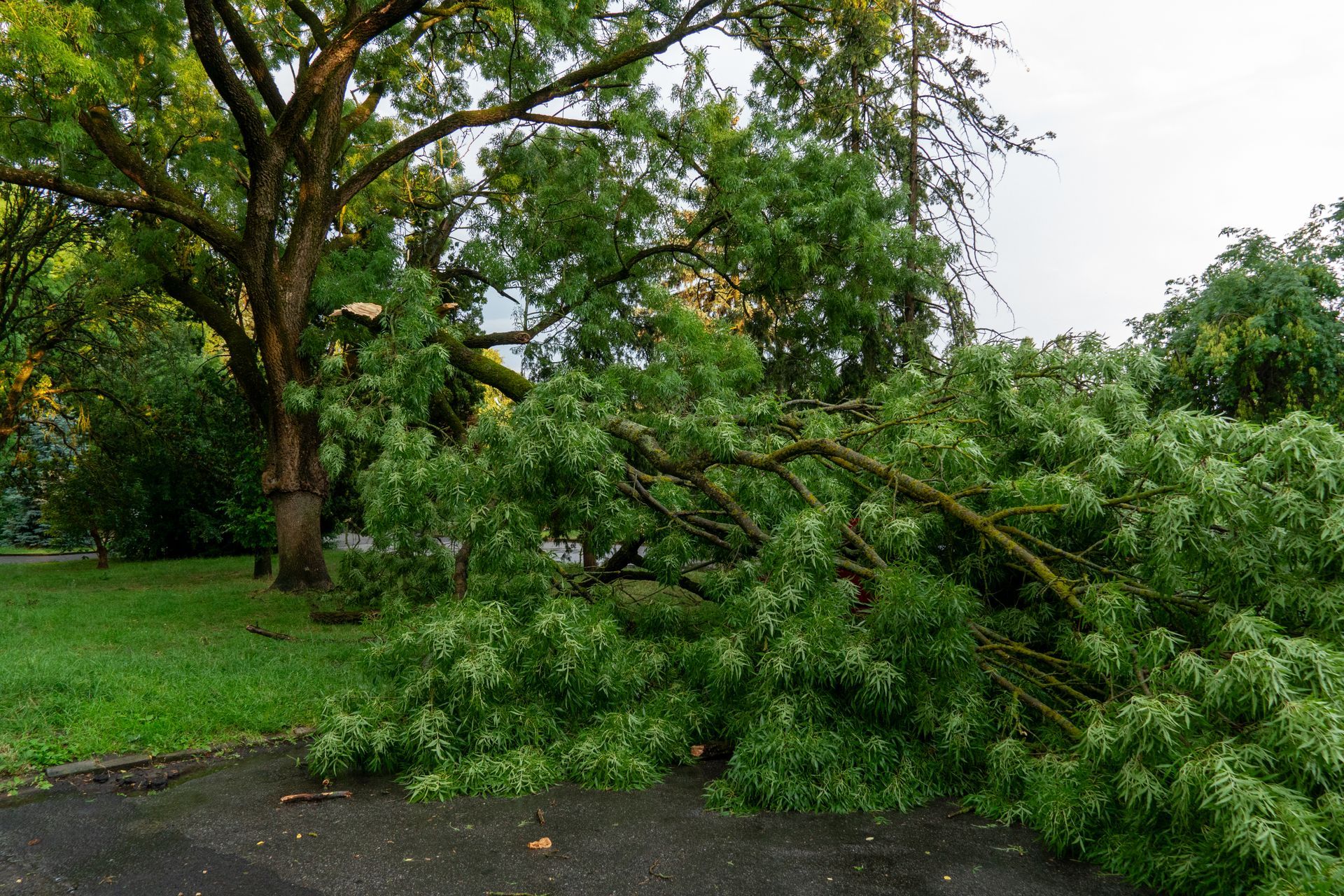
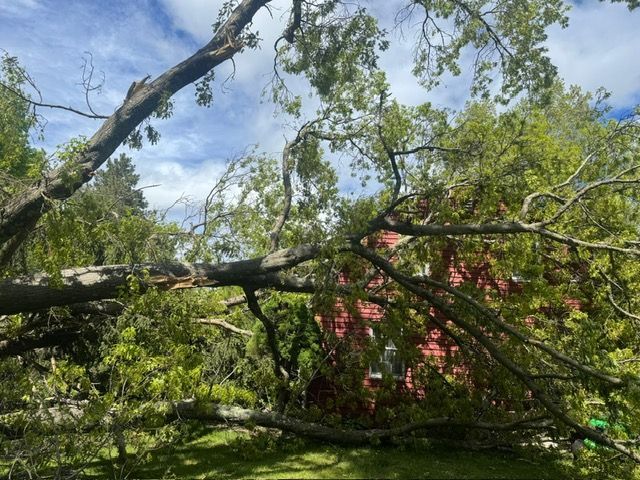
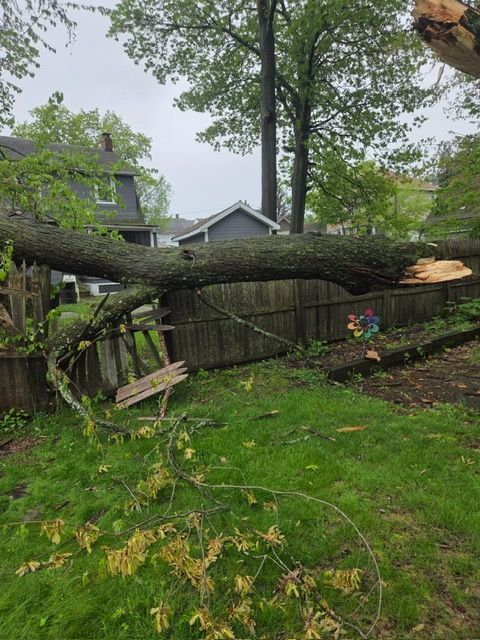
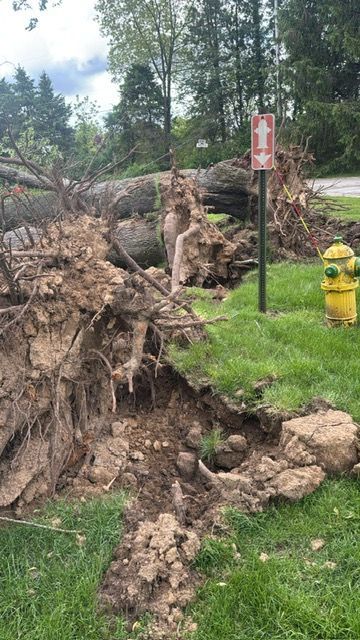
When a tree comes down, it never happens at a “good time.” One second the yard looks normal, the next you’re staring at a huge trunk stretched across your lawn, maybe blocking your driveway—or even sitting on your roof. It’s stressful, it’s messy, and it’s not something you can just ignore.

Here in Farmington, CT, storms and strong winds make this a pretty common problem. If it hasn’t happened to you yet, chances are you know someone it has. The important thing is knowing what to do in the moment—and who to call for a fallen tree in Farmington—so you’re not scrambling when it happens.

Step One: Keep Yourself Safe

Safety comes first. Always.

  • Stay back from the tree, especially if it’s leaning against your home or a structure.
  • Check for power lines. If the tree is touching wires—or even near them—treat the area as dangerous and call 911 immediately.
  • Avoid quick DIY fixes. Trying to cut or move a fallen tree without the right gear is risky. Trees can roll, snap, or shift unexpectedly.

A simple rule? If it’s bigger than a branch, leave it to the pros.

Step Two: Document the Damage

Before anyone touches the tree, pull out your phone. Snap photos from a safe distance.

  • Capture wide shots of the scene.
  • Get close-ups of where the tree landed.
  • Take pictures of damage to your home, fence, driveway, or yard.

Why? Because insurance adjusters love clear documentation. And when you’re filing a claim for tree removal, those photos can help you get reimbursed faster.

Step Three: Call the Right Tree Removal Service in Farmington

Now comes the big question—who do you call for a fallen tree in Farmington CT?

You’ll want a company that can respond fast, work safely, and knows how to handle emergencies. Here’s what matters:

  • Local Expertise — Companies like Fleet Farmington Tree Service are right here in town. They understand the layout, soil, and common tree issues in Farmington. That means faster service and fewer delays.
  • 24/7 Emergency Response — Storms don’t clock out at 5 p.m. Neither should your tree service. Look for a team that answers the phone day or night.
  • Proper Equipment — For large jobs, you’ll need more than a chainsaw. Crane trucks, chippers, and specialized lifts are key to safe removal.
  • Licensed and Insured Crews — Don’t gamble with liability. Always confirm your tree service is covered, so you aren’t left with a bigger problem.

What to Do While You Wait for Help

Sometimes crews arrive in minutes. Other times, during big storms, you may need to wait a bit. Here’s how to use that time wisely:

  • Keep people out of the area. Tape it off or set up chairs to block access.
  • Listen for creaks or cracking wood. That could mean the tree is shifting.
  • Move valuables out of harm’s way—vehicles, patio furniture, even grills.
  • Clear small debris only if it’s safe. Leave the heavy lifting to the pros.

Patience pays here. The right crew can handle the situation without you lifting a finger.

Why Professional Tree Removal Matters

Let’s be honest—you could try to hack away at a fallen tree yourself. But here’s why that’s usually a bad idea:

  1. Safety — Tree removal involves heavy equipment, falling branches, and high tension in the wood. One wrong cut can send limbs flying.
  2. Speed — Crews with the right gear can finish in hours what might take you days.
  3. Clean-Up — Professional tree services don’t just remove the tree; they chip the branches, haul away debris, and leave your yard clean.
  4. Insurance Help — Many local services provide the documentation insurance companies ask for. That means less back-and-forth and faster claims.

When a tree falls in Farmington, the difference between stress and relief is often who you call first.

Final Word: One Call, Less Chaos

A fallen tree is overwhelming. But it doesn’t have to stay that way. If you’re in Farmington CT and find yourself staring at a downed oak or maple, call a trusted local crew like Fleet Farmington Tree Service. They show up with the right equipment, the know-how, and the speed to turn a stressful mess into something under control again.

While you’re waiting? Keep your distance, stay safe, and let the pros handle it.

At the end of the day, it’s not just about a tree lying on the ground—it’s about keeping your home secure, your family safe, and your nerves intact.
Call Us
tree roots
November 4, 2025
Worried about tree roots damaging your driveway or foundation? Fleet Farmington Tree Service in Farmington, CT offers expert root inspections and safe solutions.
dying tree
October 28, 2025
Learn how poor drainage kills trees and causes root rot. Fleet Farmington Tree Service offers drainage solutions and storm prep for healthy trees.
tree down after sorm
October 13, 2025
Learn how to spot storm damage to your trees in Farmington, CT. Fleet Farmington Tree Service shares expert tips to keep your property safe after storms.
hazard tree assessment
September 26, 2025
Protect your property with a free hazard tree assessment in Farmington, CT. Fleet Farmington Tree Service identifies risks before storms cause damage.
September 5, 2025
Learn how changing weather impacts trees in Farmington, CT. Expert tips on care, maintenance, and protecting your property from storm damage.
July 14, 2025
Learn how long tree removal takes in Farmington, CT—from quick jobs to complex removals. Get expert insight so you know what to expect before booking.
July 2, 2025
Prep your trees for hurricane season in CT. Learn how to prune, inspect, and prevent storm damage. Protect your property with expert tree care tips.
June 26, 2025
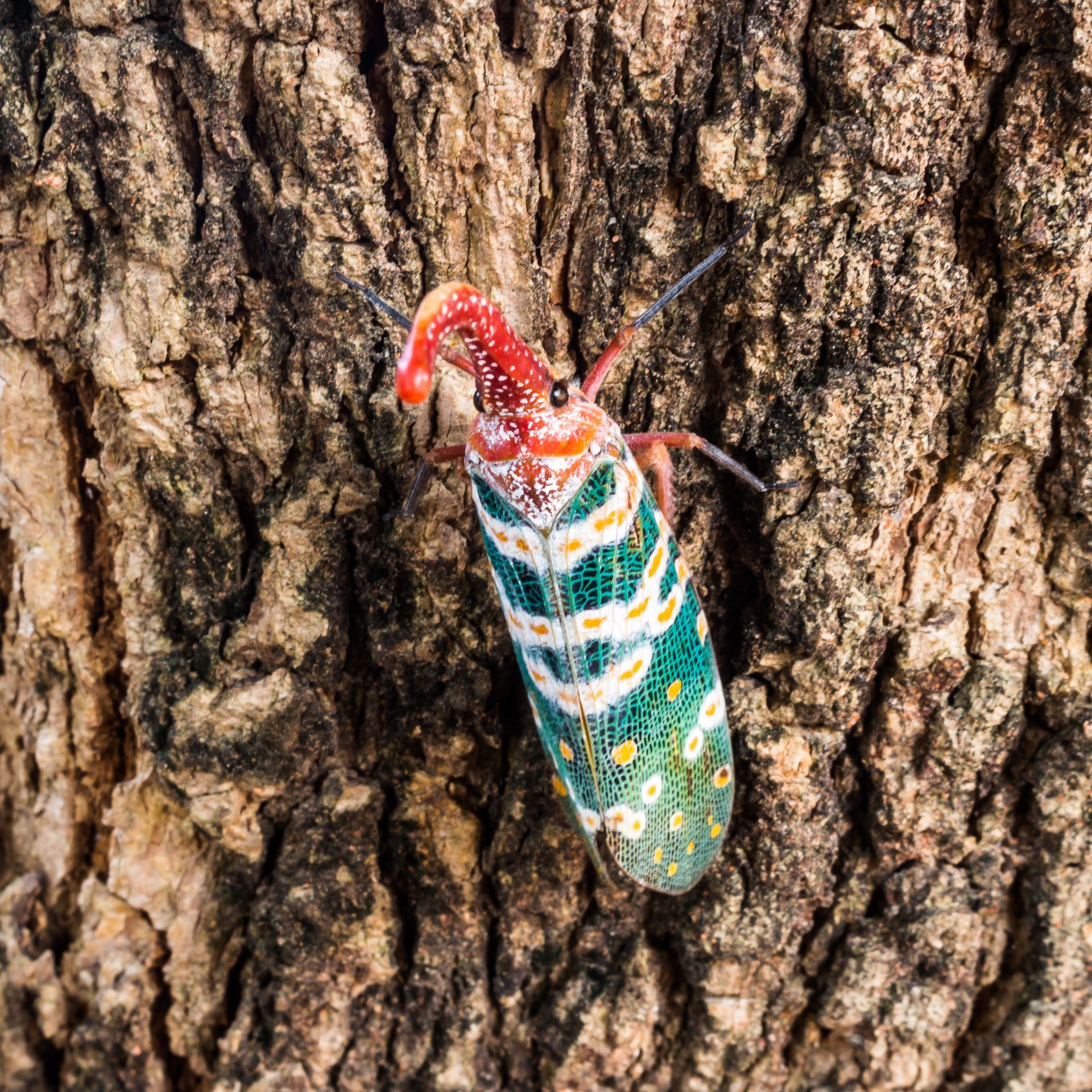
Learn how to spot, manage, and protect your Farmington, CT trees from Spotted Lanternfly damage in 2025. Act early to safeguard your landscape!
June 16, 2025
Meet the Pinchot Sycamore: Farmington Area’s Giant Tree Treasure Some trees are just trees. And then there’s the Pinchot Sycamore —a towering local legend rooted along the Farmington River. At over 100 feet tall and nearly 28 feet in circumference , it isn’t just the largest tree in Connecticut —it’s one of the oldest living things in the state. If you live in or around Farmington , this isn’t a tree to pass by. It’s a tree to learn from. What Makes This Sycamore So Special? Let’s break it down: Estimated to be 200–300 years old Weighs over 100 tons Its canopy spreads more than 140 feet wide This isn’t a backyard shade tree. It's a living monument. Named after Gifford Pinchot , the first chief of the U.S. Forest Service and a pioneer of conservation, the sycamore is both a natural wonder and a historical landmark. It has withstood hurricanes, floods, ice storms—you name it. It’s been lit at night since 1997, making it a quiet beacon in the Simsbury night, just minutes from Farmington. But this article isn’t just about admiration. It’s about tree care , tree knowledge , and what this ancient sycamore can teach homeowners and property managers across Connecticut. What the Pinchot Sycamore Can Teach Us About Tree Health Old trees survive because they’re in the right conditions and get proper care—whether from nature or from humans who step in at the right time. Here are 3 key lessons the Pinchot Sycamore offers: 1. Roots Matter More Than You Think A tree this large doesn’t last for centuries without a solid root system. But in residential neighborhoods, roots are often cut for driveways, patios, or foundations. This slowly destabilizes even healthy trees. Action step: Before pouring new concrete or expanding your yard, have a certified arborist assess root zones. Cutting roots isn't always obvious—but it's often irreversible. 2. Not All Decay Is Fatal—But It Should Be Monitored The Pinchot Sycamore has endured internal rot, lightning strikes, and the natural aging process. Still, it stands tall because any weaknesses have been managed. What we recommend: Older trees—especially large maples, sycamores, and oaks—should be structurally evaluated every 3–5 years . We use resistograph tools and sound testing to detect hidden decay. You wouldn’t skip a roof inspection. Don’t skip a tree check either. 3. Location Dictates Longevity This sycamore is planted in rich, alluvial soil near the river. That means consistent moisture, deep nutrient access, and less drought stress. Trees in compacted suburban soil with shallow watering schedules? They’re fighting an uphill battle. For your yard: Mulch around your trees (no volcano piles!) to retain moisture and protect roots. Water deeply during dry spells—especially in July and August, when trees are working the hardest. How This Ties Back to Your Property You don’t need a 300-year-old tree in your yard to start thinking like a steward. Most homeowners in Farmington and surrounding towns have mature hardwoods on their properties—maples, sycamores, hickories, elms. These trees are valuable. They shade homes, reduce energy costs, and boost property value by up to 15% when healthy. But without proper care, they can become hazards. Splitting limbs. Uprooting in storms. Fungal decay that creeps in quietly, year after year. We Know Farmington Trees Because We’re Local At [Your Company Name], we don’t just admire Connecticut’s giants—we work to preserve them. From veteran tree inspections to proactive pruning , we specialize in keeping big, old trees safe and thriving. Live in Farmington or nearby? Let’s assess your property. We’ll check for: Root stress Decay risks Branch structure and weight loads Site-specific health threats (like anthracnose in sycamores) 🌳 Final Thought: Legacy Trees Deserve Legacy Care The Pinchot Sycamore stands today because someone—many someones—chose to protect it. It didn’t get this old on luck alone. Your trees, whether 5 or 150 years old, deserve the same attention. Let us help you protect what’s growing right outside your window. 📞 Book your Tree Health Assessment Today Serving Farmington, Avon, West Hartford, and the surrounding area.
June 9, 2025
When Is the Best Time to Trim Trees in Farmington, CT? "A tree properly pruned is a tree that stands strong." — Unknown In Farmington, CT, we take pride in our trees. From towering maples to graceful oaks, trees add beauty, shade, and value to your property. But keeping them healthy? That takes a little strategy — and timing is everything. One of the top questions we hear at Farmington Tree Service is: “When should I trim my trees?” It’s a great question! And if you time it right, you’ll help your trees thrive while saving yourself from bigger problems (and expenses) down the road. Let’s break it down. Why Timing Matters for Tree Trimming Trimming trees isn’t just about keeping them tidy. It’s about their long-term health, structure, and safety. Trim at the wrong time? You could stress your tree or invite disease. Trim at the right time? You’ll boost growth, improve appearance, and help your trees withstand Farmington’s storms, wind, and snow. The Best Time to Trim Most Trees in Farmington, CT Late Winter to Early Spring (February through April) — Prime Time! This is hands-down the best season for most tree trimming: ✅ Trees are dormant, which reduces stress. ✅ No leaves = better visibility for structural pruning. ✅ Wounds heal faster before new growth begins. ✅ Less risk of spreading certain tree diseases (like oak wilt). Pro Tip: We do a lot of major pruning in Farmington between February and early April — especially for large shade trees and ornamentals. Get on our winter/spring schedule early to lock in a spot. Summer Trimming — Caution Advised You can trim during summer, but it depends: 👉 Good for light shaping or deadwood removal. 👉 Not ideal for heavy cuts or structural pruning — heat and active growth can stress the tree. 👉 Avoid mid-summer pruning of sensitive species (maples, birches) that bleed sap. If you’ve got storm-damaged branches in summer? Call us. Safety trumps season! Fall — Not Recommended It’s tempting to clean up trees in the fall, but here’s why it’s not the best time: 🚫 Fresh pruning cuts heal slower as the tree prepares for dormancy. 🚫 Increased risk of disease and pest invasion. 🚫 Less energy available to close wounds before winter hits. Our advice: Hold off until late winter or early spring unless it’s an emergency. Exceptions: When You Should Trim Trees Anytime There are situations where waiting is not an option: Hazardous branches hanging over homes or driveways Dead or diseased limbs Storm damage (after Farmington’s frequent nor’easters or summer thunderstorms) Interference with power lines or property structures For emergency trimming? Call us. We provide 24/7 emergency tree service in Farmington. Tree Species Considerations Here’s a quick local guide for common Farmington trees: Maples, Oaks, Elms — Best trimmed late winter/early spring. Flowering Trees (Dogwood, Cherry, Crabapple) — Trim right after blooming. Evergreens (Pine, Spruce, Fir) — Late winter is ideal; minimal pruning during active growth. Not sure what type of tree you have? We’ll help you ID it and advise on timing. Final Thoughts: Partner With Local Pros Trimming trees may seem simple, but there’s an art (and a science) to doing it right. As Farmington’s trusted tree service pros, we: ✔️ Time your pruning for maximum tree health. ✔️ Use proper cuts to prevent disease and encourage strong growth. ✔️ Clean up thoroughly so your property looks great. And we’ll never recommend unnecessary trimming — just what your trees need to stay beautiful and safe. Ready to schedule tree trimming in Farmington, CT? Now is the perfect time! Give us a call and let’s keep your trees thriving.