Ice Dams in Farmington, CT: Why They Happen, What They Damage, and When Insurance Gets Involved

January 30, 2026

Ice Dams in Farmington, CT: Why They Happen, What They Damage, and When Insurance Gets Involved

From what we see around Farmington, ice dams are one of those winter problems people don’t think much about until there’s water showing up inside. We’ve been called out plenty of times after a ceiling stain appears or a drip starts near an exterior wall — and by then, the ice has usually been sitting along the roof edge for a while. Once that ice builds up, melting snow has nowhere to go, so it works its way under the shingles instead. Knowing how ice damming starts and what it can do to a home makes it a lot easier to deal with early, before it turns into an expensive repair.

What Causes Ice Dams on Farmington Homes?

Ice dams form when heat escapes from inside the home and melts snow on the roof. That water flows down and refreezes near colder roof edges or gutters.

Once ice builds up, it blocks proper drainage.

Water backs up.

Then it slips under shingles.

Then it works into attics, walls, and ceilings.

This happens frequently in Farmington due to:

  • Older homes with mixed insulation levels
  • Multi-level rooflines and additions
  • Cold overnight temperatures with daytime sun
  • Heavy snowfall followed by freeze-thaw cycles

Why Ice Dams Can Be So Destructive

Ice dams don’t just affect shingles. Over time, they can cause:

  • Interior water damage
  • Wet insulation and mold growth
  • Rotting roof decking
  • Ceiling and drywall damage
  • Bent or detached gutters

Many homeowners are shocked to learn that ice dam damage often spreads before visible leaks appear.

Will Insurance Cover Ice Dam Damage in Farmington, CT?

This is one of the most common questions homeowners ask.

From our experience, insurance will often cover ice dam damage but only when it’s treated as a sudden, unavoidable issue. We’ve also seen claims get pushed back or reduced when the damage is tied to ongoing maintenance problems or when action wasn’t taken quickly enough. That’s why we always stress documenting the issue early and having a professional look at it right away. Waiting too long can make the claims process harder and leave homeowners paying more out of pocket than they expected.

Warning Signs You May Have an Ice Dam

Watch for these early indicators:

  • Thick ice buildup along roof edges
  • Large icicles forming repeatedly in the same spots
  • Water stains on ceilings or walls
  • Dripping near windows during winter thaws
  • Ice that doesn’t melt during warmer days

If you notice these signs, ice is already prohibbiting drainage.

Why DIY Ice Dam Removal Often Makes Things Worse

Ice dams look like a simple problem—but quick fixes can cause real damage.

Avoid:

  • Chipping ice with tools
  • Pouring hot water on the roof
  • Using salt or chemicals on shingles
  • Climbing onto icy roofs

These methods frequently damage roofing materials and increase safety risks.

How Ice Dams Are Safely Addressed

Professional ice dam solutions focus on controlled removal, not force.

This often includes:

  • Removing snow buildup near roof edges
  • Melting ice safely using steam
  • Restoring proper water flow
  • Identifying insulation or ventilation issues

The goal is to stop leaks without damaging the roof.

How to Reduce Ice Dam Risk Long-Term

Preventing ice dams usually means reducing heat loss inside the home:

  • Sealing attic air leaks
  • Improving insulation
  • Enhancing roof ventilation
  • Keeping gutters clear

These steps help stabilize roof temperatures and prevent refreezing.

When to Call a Professional in Farmington, CT

If ice is building up or water has entered your home, it’s time to act. Ice dams rarely resolve on their own—and the longer they’re ignored, the more damage they cause.

Early action can protect your roof and avoid costly repairs.

Need Help With Ice Dams in Farmington, CT?

Fleet Farmington Tree Service helps homeowners throughout Farmington identify ice dam risks, address winter-related property issues, and protect roofs and surrounding areas from further damage.

We know Farmington homes, the way winter weather hits them and why catching issues early matters. If you’re noticing signs of ice damming, call now for a quick inspection or clear advice on what should be addressed first.
Call Us
tree roots
November 4, 2025
Worried about tree roots damaging your driveway or foundation? Fleet Farmington Tree Service in Farmington, CT offers expert root inspections and safe solutions.
dying tree
October 28, 2025
Learn how poor drainage kills trees and causes root rot. Fleet Farmington Tree Service offers drainage solutions and storm prep for healthy trees.
tree down after sorm
October 13, 2025
Learn how to spot storm damage to your trees in Farmington, CT. Fleet Farmington Tree Service shares expert tips to keep your property safe after storms.
hazard tree assessment
September 26, 2025
Protect your property with a free hazard tree assessment in Farmington, CT. Fleet Farmington Tree Service identifies risks before storms cause damage.
September 5, 2025
Learn how changing weather impacts trees in Farmington, CT. Expert tips on care, maintenance, and protecting your property from storm damage.
August 18, 2025
Need emergency tree removal in Farmington CT? Learn who to call and what steps to take when a tree falls on your property. Stay safe and get help fast.
July 14, 2025
Learn how long tree removal takes in Farmington, CT—from quick jobs to complex removals. Get expert insight so you know what to expect before booking.
July 2, 2025
Prep your trees for hurricane season in CT. Learn how to prune, inspect, and prevent storm damage. Protect your property with expert tree care tips.
June 26, 2025
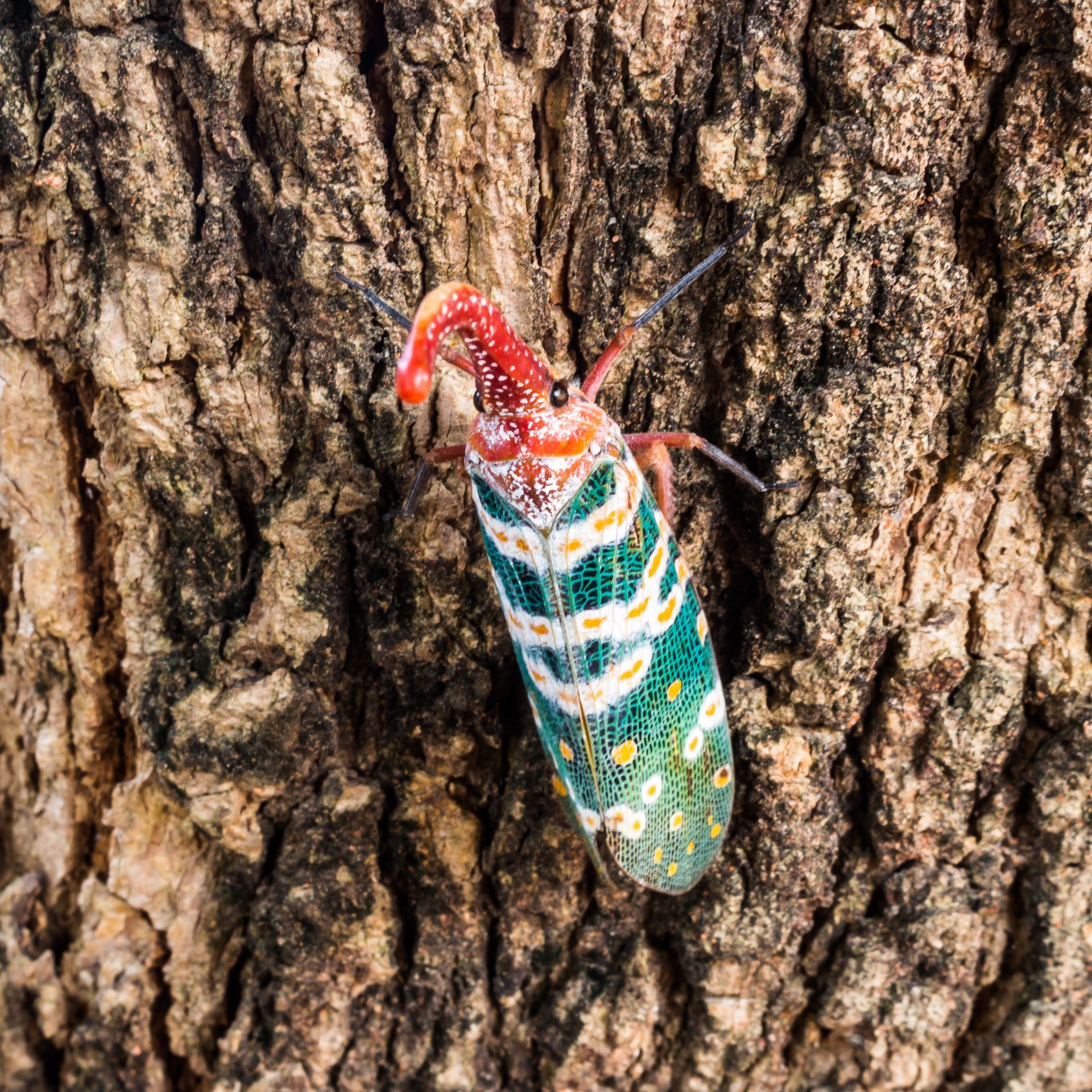
Learn how to spot, manage, and protect your Farmington, CT trees from Spotted Lanternfly damage in 2025. Act early to safeguard your landscape!
June 16, 2025
Meet the Pinchot Sycamore: Farmington Area’s Giant Tree Treasure Some trees are just trees. And then there’s the Pinchot Sycamore —a towering local legend rooted along the Farmington River. At over 100 feet tall and nearly 28 feet in circumference , it isn’t just the largest tree in Connecticut —it’s one of the oldest living things in the state. If you live in or around Farmington , this isn’t a tree to pass by. It’s a tree to learn from. What Makes This Sycamore So Special? Let’s break it down: Estimated to be 200–300 years old Weighs over 100 tons Its canopy spreads more than 140 feet wide This isn’t a backyard shade tree. It's a living monument. Named after Gifford Pinchot , the first chief of the U.S. Forest Service and a pioneer of conservation, the sycamore is both a natural wonder and a historical landmark. It has withstood hurricanes, floods, ice storms—you name it. It’s been lit at night since 1997, making it a quiet beacon in the Simsbury night, just minutes from Farmington. But this article isn’t just about admiration. It’s about tree care , tree knowledge , and what this ancient sycamore can teach homeowners and property managers across Connecticut. What the Pinchot Sycamore Can Teach Us About Tree Health Old trees survive because they’re in the right conditions and get proper care—whether from nature or from humans who step in at the right time. Here are 3 key lessons the Pinchot Sycamore offers: 1. Roots Matter More Than You Think A tree this large doesn’t last for centuries without a solid root system. But in residential neighborhoods, roots are often cut for driveways, patios, or foundations. This slowly destabilizes even healthy trees. Action step: Before pouring new concrete or expanding your yard, have a certified arborist assess root zones. Cutting roots isn't always obvious—but it's often irreversible. 2. Not All Decay Is Fatal—But It Should Be Monitored The Pinchot Sycamore has endured internal rot, lightning strikes, and the natural aging process. Still, it stands tall because any weaknesses have been managed. What we recommend: Older trees—especially large maples, sycamores, and oaks—should be structurally evaluated every 3–5 years . We use resistograph tools and sound testing to detect hidden decay. You wouldn’t skip a roof inspection. Don’t skip a tree check either. 3. Location Dictates Longevity This sycamore is planted in rich, alluvial soil near the river. That means consistent moisture, deep nutrient access, and less drought stress. Trees in compacted suburban soil with shallow watering schedules? They’re fighting an uphill battle. For your yard: Mulch around your trees (no volcano piles!) to retain moisture and protect roots. Water deeply during dry spells—especially in July and August, when trees are working the hardest. How This Ties Back to Your Property You don’t need a 300-year-old tree in your yard to start thinking like a steward. Most homeowners in Farmington and surrounding towns have mature hardwoods on their properties—maples, sycamores, hickories, elms. These trees are valuable. They shade homes, reduce energy costs, and boost property value by up to 15% when healthy. But without proper care, they can become hazards. Splitting limbs. Uprooting in storms. Fungal decay that creeps in quietly, year after year. We Know Farmington Trees Because We’re Local At [Your Company Name], we don’t just admire Connecticut’s giants—we work to preserve them. From veteran tree inspections to proactive pruning , we specialize in keeping big, old trees safe and thriving. Live in Farmington or nearby? Let’s assess your property. We’ll check for: Root stress Decay risks Branch structure and weight loads Site-specific health threats (like anthracnose in sycamores) 🌳 Final Thought: Legacy Trees Deserve Legacy Care The Pinchot Sycamore stands today because someone—many someones—chose to protect it. It didn’t get this old on luck alone. Your trees, whether 5 or 150 years old, deserve the same attention. Let us help you protect what’s growing right outside your window. 📞 Book your Tree Health Assessment Today Serving Farmington, Avon, West Hartford, and the surrounding area.