How to Tell If a Tree Is Dead or Just Dormant in Farmington, CT
How to Tell If a Tree Is Dead or Just Dormant in Farmington, CT
Every spring in Farmington, we get the same phone call:
“My tree hasn’t leafed out yet. Is it dead?”
It’s a fair question. Connecticut winters are tough on trees and between late frosts, heavy snow and windy storms, it’s not always obvious what’s normal and what’s a problem.
Here’s the important part:
A
dead tree is a safety risk. A dormant tree is just on its own schedule.
Telling the difference early can save you money, time, and a whole lot of stress.
This is how we help homeowners in Farmington figure it out.
Start With the Season (This Matters More Than People Think)
Before you inspect anything, take the calendar into account.
In Farmington, many healthy trees don’t show signs of life until late April or even early May. Oaks, hickories and some maples are notoriously slow to wake up. If it’s early spring and your tree still looks bare, that alone doesn’t mean it’s dead.
A red flag is when every similar tree nearby has leafed out and yours hasn’t changed at all.
That’s usually when we tell homeowners to look closer.
The Branch Test: What Brittle Wood Is Telling You
Grab a small twig — pencil-thin is perfect.
- If it bends slightly before snapping and the inside looks pale or greenish, that branch is alive.
- If it snaps clean, feels dry and looks gray or brown inside, that section is dead.
Important:
One dead branch doesn’t mean the whole tree is gone. But if
multiple branches across different sides break the same way, that’s not dormancy.
That’s decline.
Buds Don’t Lie
Dormant trees still prepare for the future.
Look closely at the tips of branches:
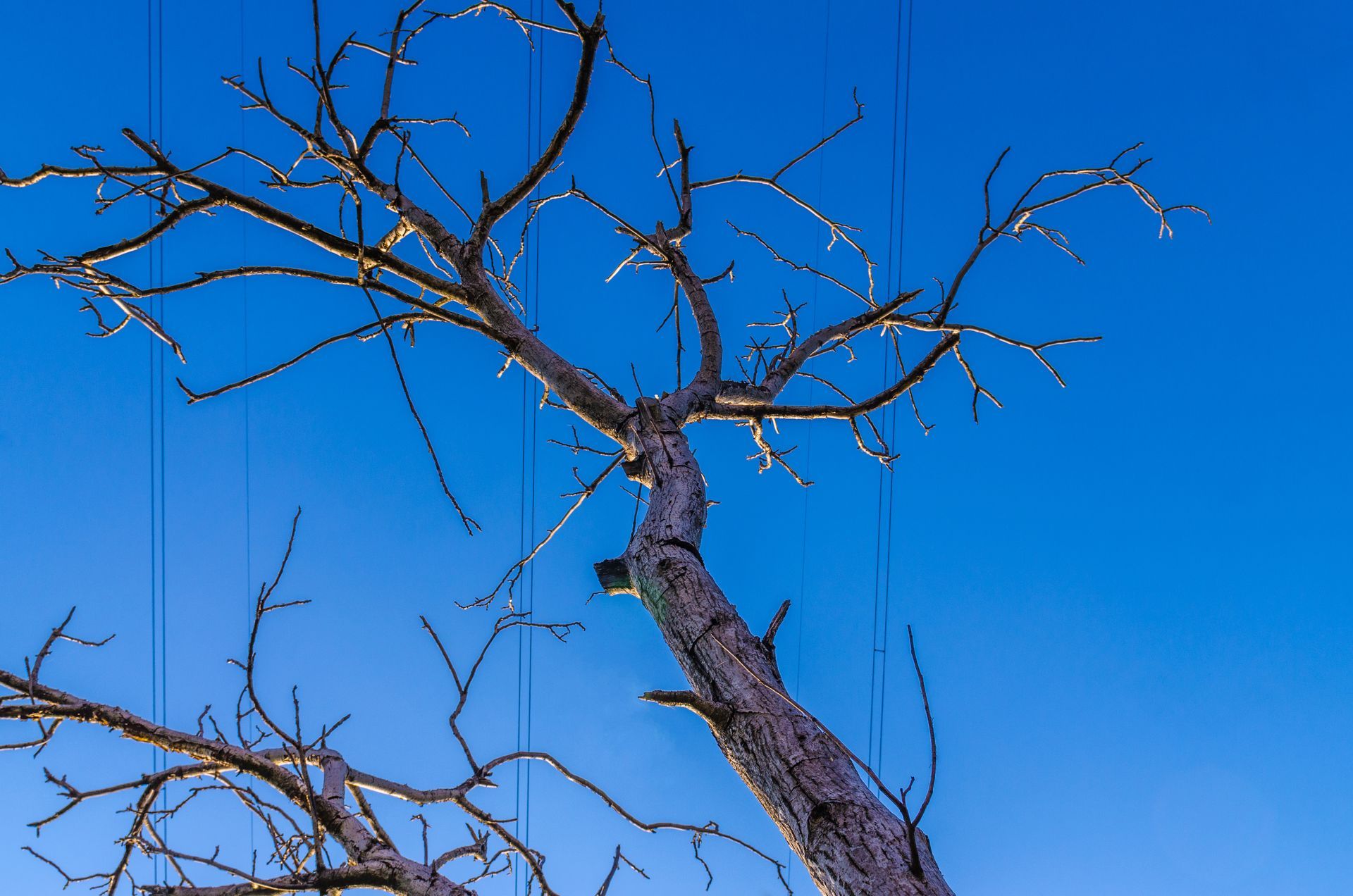
- Dormant tree: small, tight buds you can feel with your fingers
- Dead tree: smooth, bare ends with nothing forming
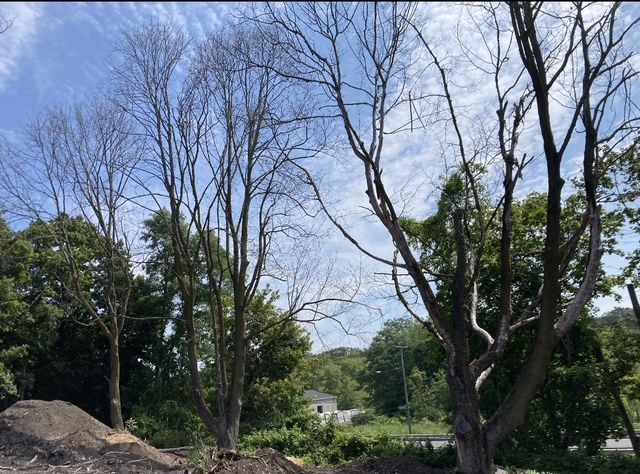
No buds anywhere — especially in late spring — is one of the strongest indicators we see on trees that don’t recover.
The Scratch Test (Simple but Reliable)
This is one of the quickest checks we use on-site.
Lightly scratch the bark on a small branch with your fingernail or a pocket knife.
- Green underneath = life
- Dry, tan, or gray = dead tissue
Try it in more than one spot. Trees can die from the top down, especially after drought or winter damage.
Warning Signs We See on Truly Dead Trees in Farmington
Over the years, certain patterns repeat themselves:
- Mushrooms or fungal growth at the base
This usually means internal decay, not a surface issue. - Large sections of bark falling off
Healthy trees don’t shed bark in sheets. - Dead limbs throughout the canopy
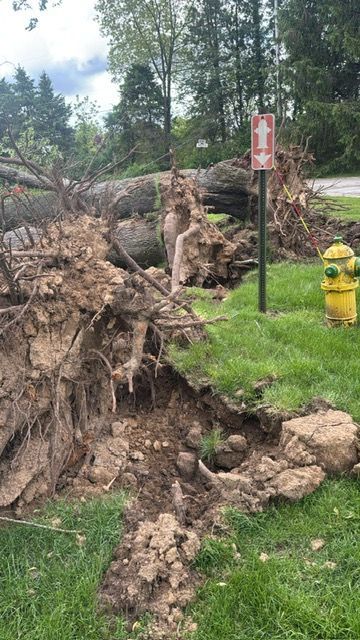
Especially dangerous during storms. - A sudden lean or lifted soil around the roots
This is when trees fail without warning.
If you’re seeing more than one of these, it’s time to stop guessing.
Why This Decision Matters
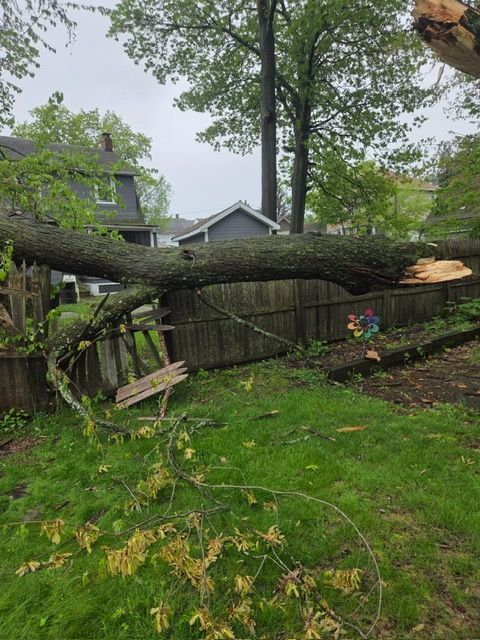
Leaving a dead tree standing isn’t just an eyesore — it’s a liability.
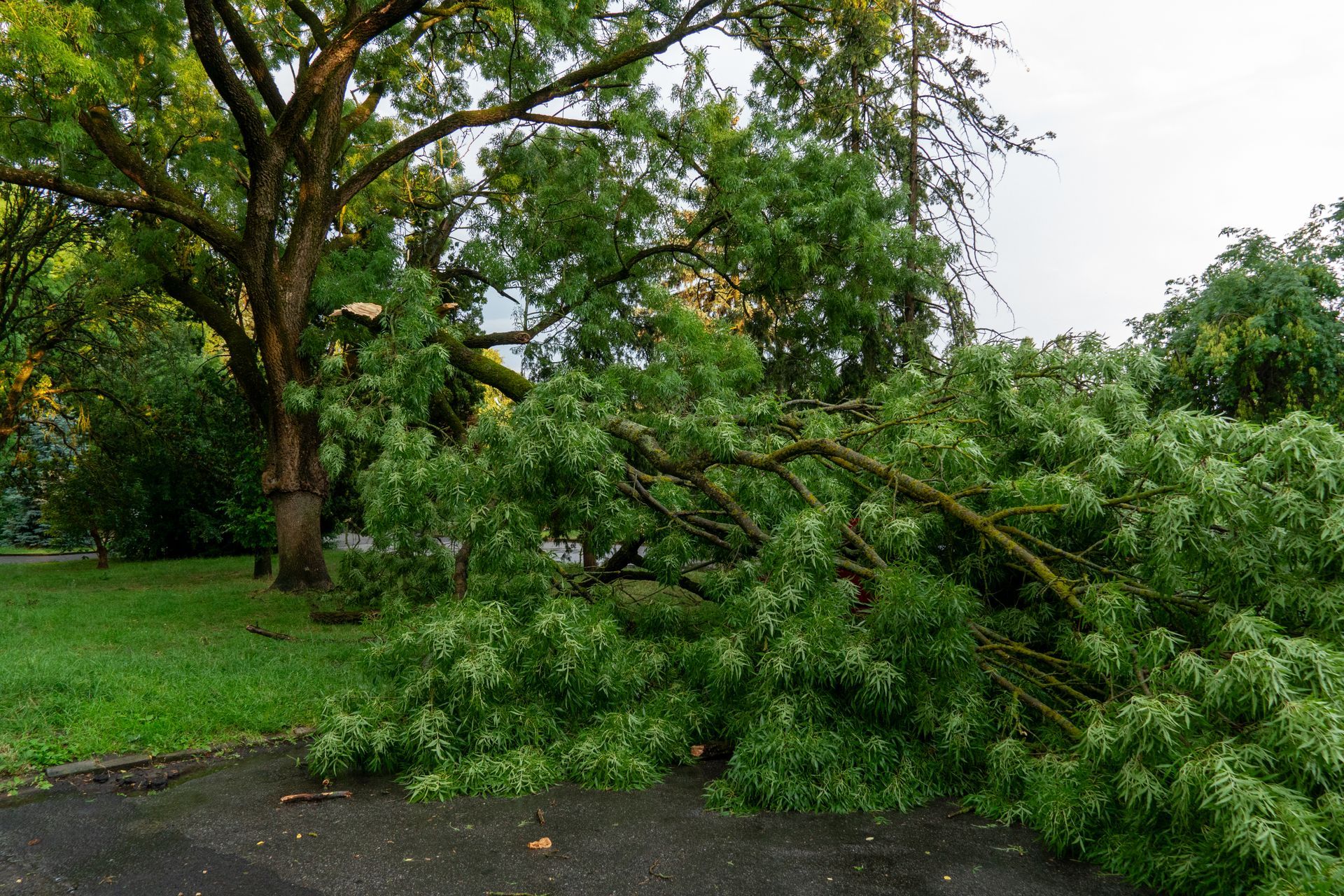
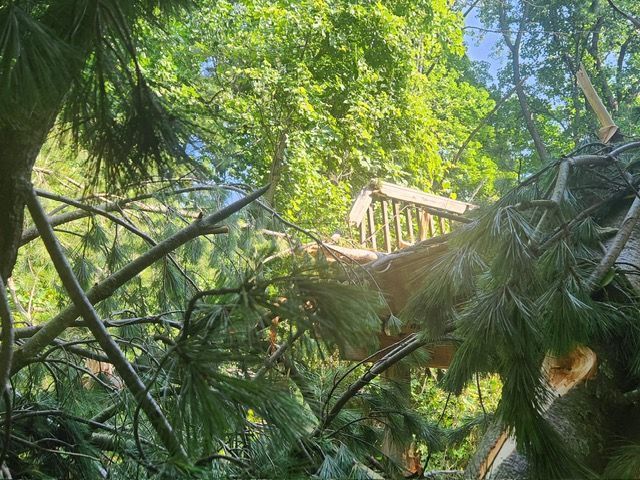
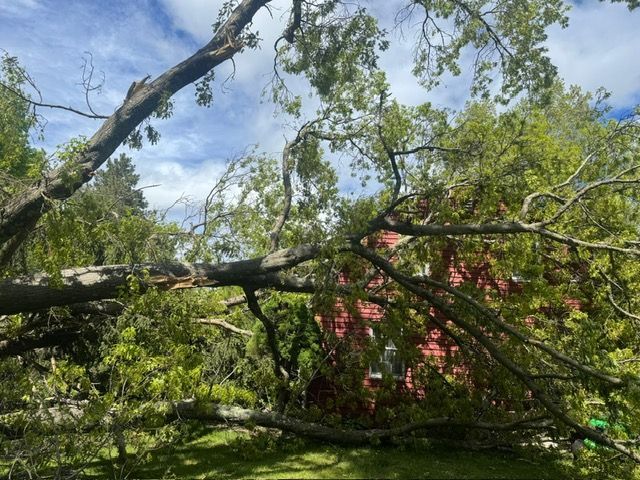
We’ve responded to storm calls in Farmington where a tree that “looked fine last year” dropped a limb onto a roof, driveway or fence. By the time the damage happens, it’s already too late.
At the same time, removing a tree that’s only dormant means losing shade, curb appeal and long-term value for no reason.
That’s why proper evaluation matters.
When to Call a Professional
If you’ve gone through these checks and still aren’t sure, that’s normal.
At Fleet Farmington Tree Service, we assess trees every week that fall into the gray area — stressed, damaged, but not necessarily dead. Sometimes corrective pruning or monitoring is all that’s needed. Other times, removal is the safest call.
Either way, you’ll know the answer before the next storm does.
Quick Takeaway Checklist
Before making a decision, ask yourself:
- Does the timing line up with other trees nearby?
- Are there buds forming anywhere?
- Do branches bend or snap dry?
- Is there fungal growth or bark loss?
- Has the tree shifted or started leaning?
If the answers raise concern, don’t wait for gravity to decide.
A dormant tree will wake up.
A dead one won’t — and it won’t warn you before it falls.