Are Black Locust Trees Invasive in Connecticut?
Black Locust Trees: Understanding Their Invasive Potential
Black locust trees are common in Connecticut. They are known for their fragrant white flowers and rugged, durable wood. However, these trees have also gained a reputation for being invasive in some areas. In this article, we'll explore the characteristics of black locust trees, their environmental impact, and how homeowners can manage them responsibly.
Characteristics of Black Locust Trees
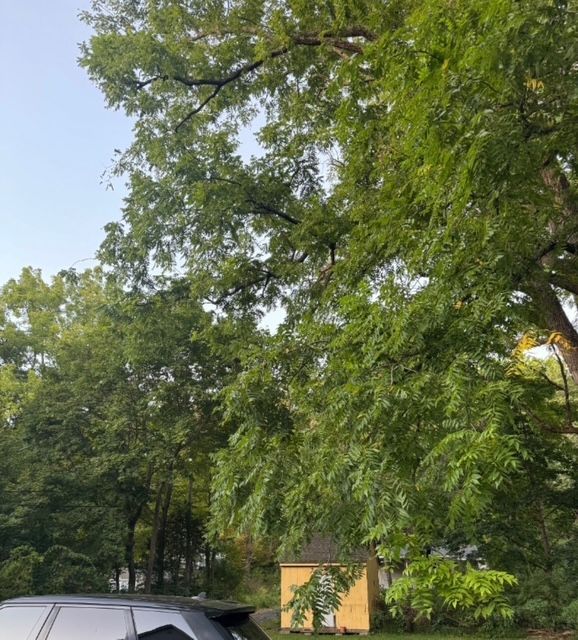
Black locust trees are native to the southeastern United States but have been widely planted as ornamental trees across the country, including Connecticut. These trees grow rapidly, reaching heights of up to 80 feet, and are characterized by compound leaves and thorny branches.
One key trait of black locust trees is their capacity to improve soil nitrogen levels via a symbiotic partnership with bacteria in their root nodules. This trait allows them to thrive in poor, nutrient-deficient soils and makes them valuable for land reclamation and erosion control.
However, this ability to thrive in various conditions also contributes to their invasive potential. Black locust trees can quickly spread and outcompete native plant species, leading to biodiversity loss in natural areas.
Impact of Black Locust Trees in Connecticut
In Connecticut, black locust trees are considered invasive in some regions, particularly in disturbed areas such as old fields, roadsides, and abandoned lots. Their fast growth and tendency to create dense thickets can outcompete native plants, changing the balance and function of local ecosystems.
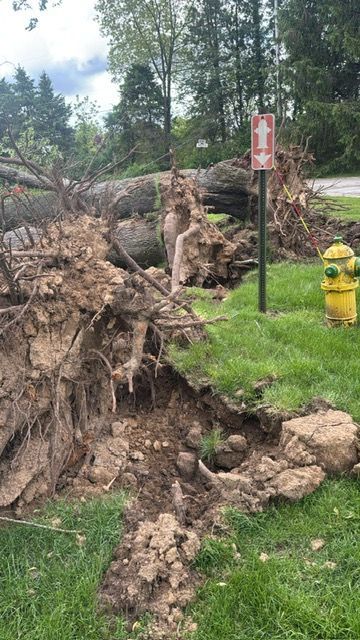
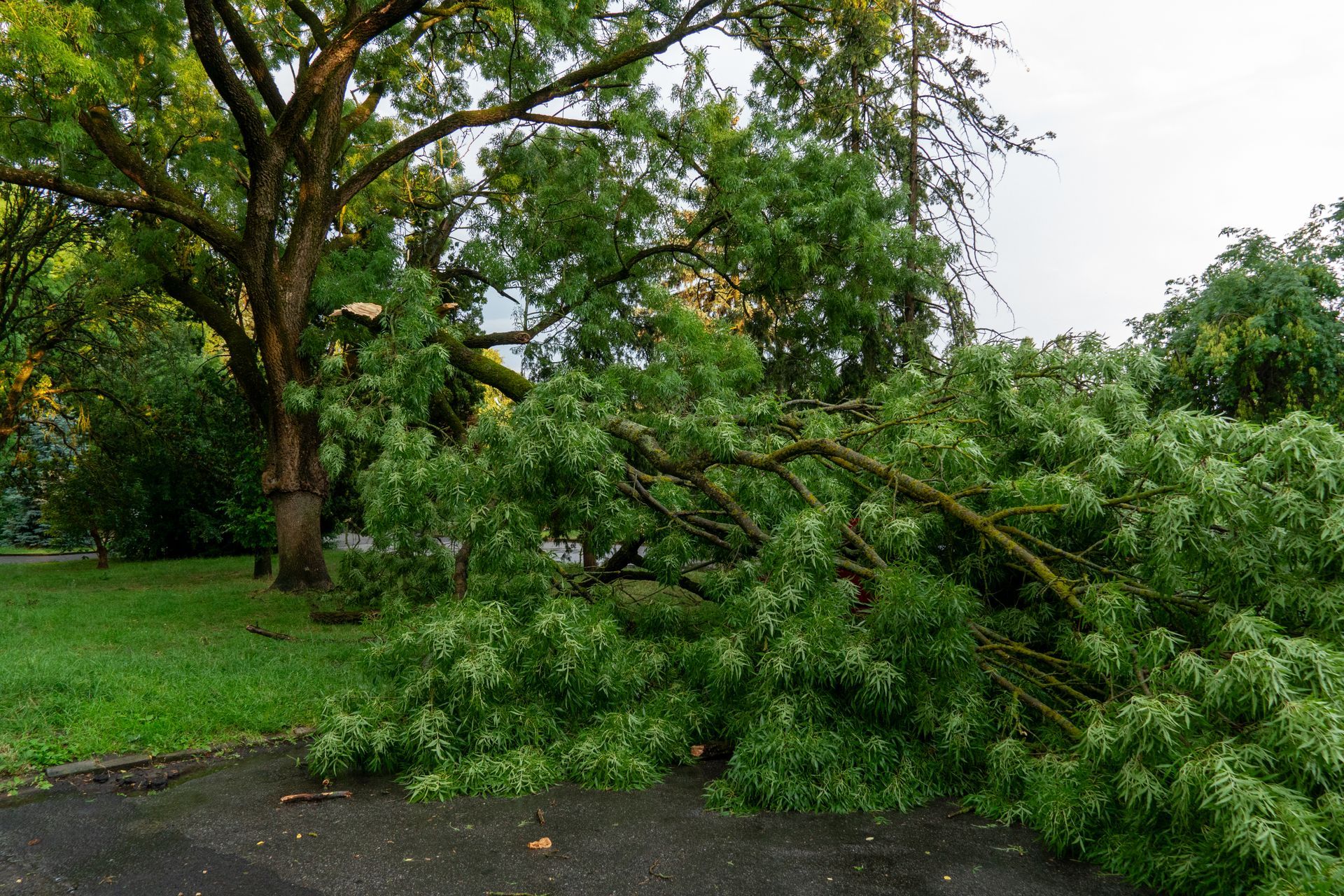
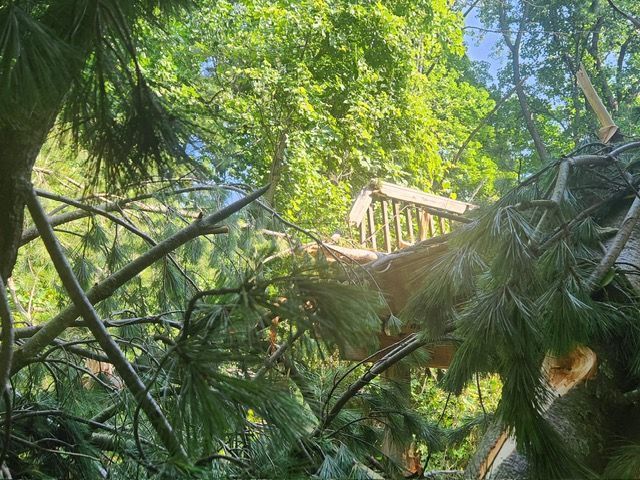
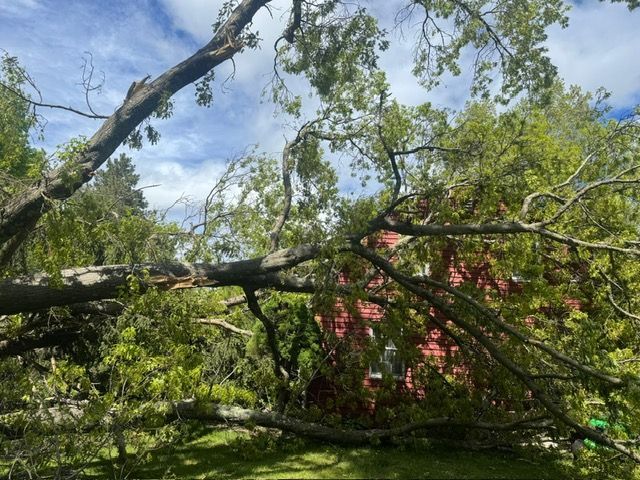
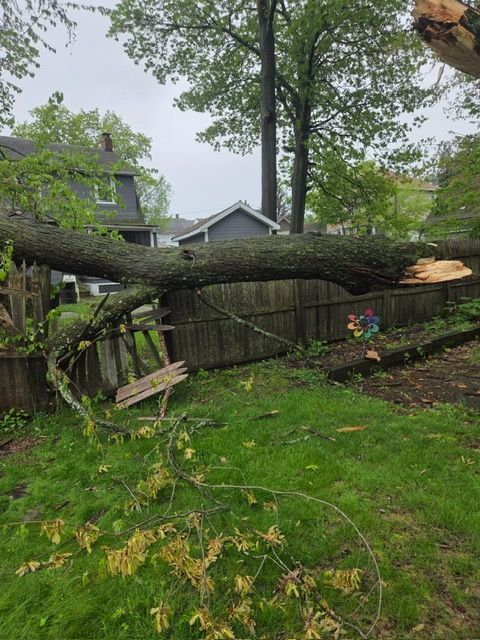
Black locust trees can also pose a risk to infrastructure, as their shallow roots can damage sidewalks, driveways, and underground utilities. Their brittle wood can also be a hazard during storms, leading to fallen branches and potential property damage.
Management of Black Locust Trees
Controlling the spread and impact of black locust trees requires a combination of management strategies. Some options for managing black locust trees include:
- Mechanical control: Cutting down mature trees and removing their root systems can help prevent further spread. However, this approach can be demanding in terms of labor and may necessitate professional help.
- Chemical control: Herbicides can be used to control black locust trees, but they must be used safely and in accordance with local regulations. Herbicides are most effective when applied to freshly cut stumps.
- Monitoring and prevention: Regularly monitoring areas where black locust trees are present can help detect new growth early and prevent further spread. Preventing the introduction of black locust trees into new areas can also help reduce their impact.
While black locust trees offer some benefits, such as nitrogen fixation and erosion control, they can also be invasive and pose challenges for land managers and homeowners. Understanding the characteristics of black locust trees and implementing effective management strategies can help mitigate their impact and preserve the biodiversity of Connecticut's natural areas. If you require the removal of black locust trees, consider Fleet Farmington Tree Service.